
If you’re thinking about private money lending for a real estate project, the interest rate is probably one of the first things you want to know. Fair enough. But before you decide whether that rate makes sense, you need to understand what you’re lending against, how the loan is documented and what happens if the project takes longer than expected.
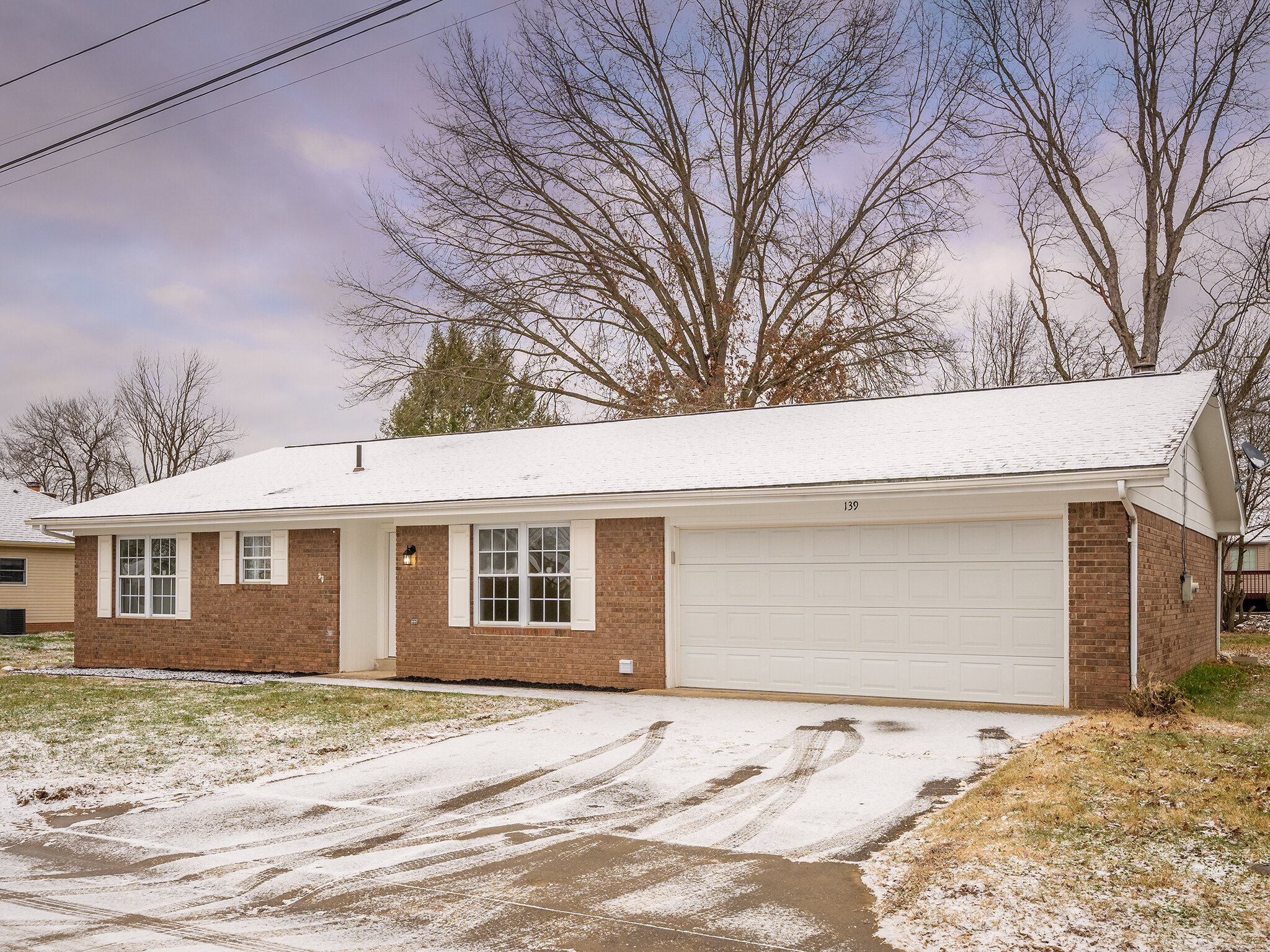
At AM Investments, we have borrowed private funds for property projects. We don’t make hard-money loans to buyers. Looking at one of our completed projects can help explain what a prospective lender should ask before funding a deal.
Historical loan summary
| Actual principal advanced | $238,000 |
|---|---|
| Contractual annual rate | 12% per year |
| Funding to sale closing | 113 days — October 28, 2025 to February 18, 2026 |
| Interest in closing payoff | $11,189.26 |
Timing and calculation note: Interest accrued before the funding date because of a closing delay. The 113 days show funding-to-closing chronology, not the interest-bearing period. The payoff interest has not been reconciled to a daily accrual calculation.
The annual rate is a contract term, not the return earned over the displayed period. Funding-to-closing is not the time to confirmed lender receipt. Actual received or bank-cleared payoff dates have not been independently verified. Interest shown is the closing-payoff allocation identified in company records, before any tax or lender expenses. These selected historical examples do not promise future results.
What Woodland Forest shows about loan documents
Our Woodland Forest project in Winfield sold in February 2026. The signed promissory note identified a $238,000 principal amount and a 12% annual interest rate. It also included a maturity date and terms addressing an earlier sale and renewal. A signed, notarized deed of trust accompanied the note.
Those documents do different jobs. The note sets out the repayment obligation. A deed of trust is part of documenting the property’s role as collateral. You still need a qualified professional to check execution, recording, title and lien priority. A signed document by itself doesn’t answer all those questions.
At the February 18 sale, the closing statement listed a $249,189.26 mortgage payoff. Our company records identify $238,000 as principal and $11,189.26 as interest and report payment through the closing attorney by mailed check.
That’s a specific historical example, not a promised return for another loan. The contractual rate and the recorded dollar allocation are different facts. We aren’t presenting a calculated annualized investment return or claiming an independently verified bank-cleared payment date.
For a look at the house itself, see our Woodland Forest renovation article. The house is sold; this example isn’t an available property or a current lending offer.
Private money lending questions before you fund a project
Start with the borrower. Which legal entity owes you the money? Does that match the signed documents? Who is authorized to sign? If a guarantee is part of the proposed loan, what does it actually cover?
Then look at the property and the full budget. Ask how the purchase, repairs, holding costs and eventual sale will be funded. An attractive resale estimate doesn’t pay the bills while a project is underway. Our holding-cost guide explains why those expenses deserve attention.
Ask your attorney or title professional to explain existing debt, the proposed lien position, recording and any title-insurance coverage. Don’t assume those protections are included just because the loan is described as secured. Also confirm the property-insurance arrangements and whether the lender has the appropriate protection under the policy.
Finally, read the timing provisions. When does interest start? When is it payable? Who can extend the loan, and on what terms? What happens if the sale doesn’t close before maturity? You want those answers in writing before the money moves.
Our private money lending document checklist offers more background on the note, deed of trust and independent review.
Collateral does not remove the risk
A property can lose value. Repair costs can rise. A borrower can miss payments, and enforcing a lien can take time and money. The available sale proceeds may not cover the debt, other claims and enforcement costs.
FINRA’s risk guidance for private money lending is a useful reminder that a stated interest rate doesn’t guarantee payment. Private money lending needs to fit your ability to tolerate loss and having funds unavailable longer than planned.
Woodland Forest gives us a real set of documents and a recorded closing allocation to discuss. It doesn’t establish what every future project will earn. If you’re evaluating a private loan, have your own legal, tax and financial advisers review the actual terms and risks. You can also learn more about AM Investments and the property work behind these examples.
This article is general education using a selected completed project. It is not an offer to invest, a recommendation for your finances or a promise of future results. Principal and interest can be lost.
