
When you’re considering investing in real estate loans, it’s easy to focus on the amount you’re being asked to provide. That number matters. So does every other dollar the property may need to repay.
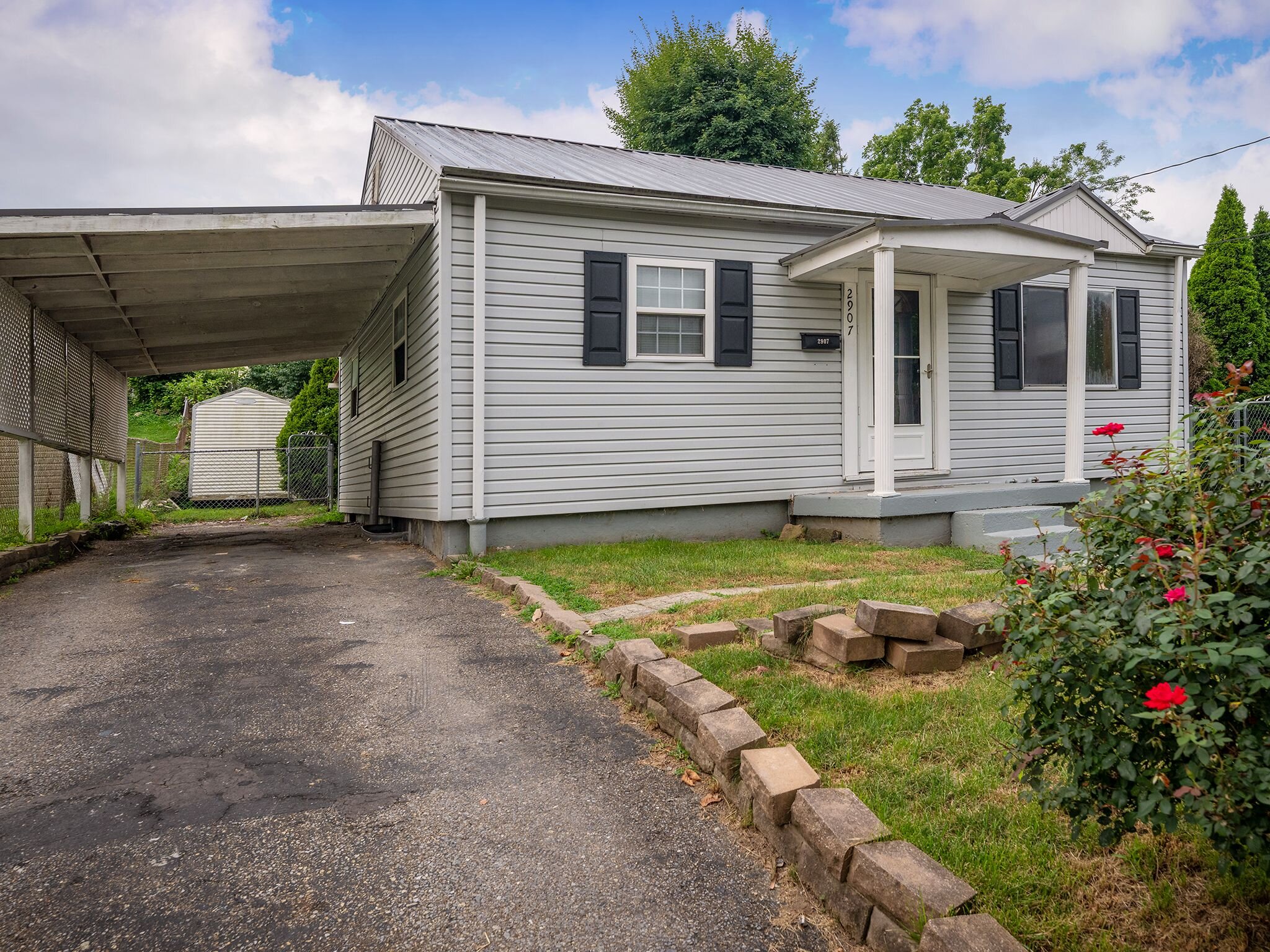
Before investing in real estate loans, you want a clear picture of the purchase budget, renovation funding, existing debt and any additional borrowing that could come later. Our completed Pence Street project in South Charleston gives us a practical example of why that matters.
Historical loan summary
| Actual principal advanced — primary loan | $80,000 |
|---|---|
| Contractual annual rate — primary loan | 12% per year |
| Funding to sale closing — primary loan | 155 days — March 26 to August 28, 2026 |
| Interest in closing payoff — primary loan | $4,076.71 |
| Separate supplemental advance | $25,000 principal and $1,423.00 interest; its rate and funding interval have not been verified. |
Timing and calculation note: The primary loan and supplemental advance are separate. The primary loan’s rate and timing should not be applied to the supplemental advance.
The annual rate is a contract term, not the return earned over the displayed period. Funding-to-closing is not the time to confirmed lender receipt. Actual received or bank-cleared payoff dates have not been independently verified. Interest shown is the closing-payoff allocation identified in company records, before any tax or lender expenses. These selected historical examples do not promise future results.
Two advances on one completed project
The Pence Street property sold on August 28, 2026. Its signed closing statement listed two mortgage payoffs: $84,076.71 and $26,423.
Our company records break those amounts down this way:
- The primary lender’s $80,000 principal plus $4,076.71 in interest.
- A separate $25,000 advance plus $1,423 in interest.
The company report says both lenders were paid back at closing. The closing allocations match those reported totals. These are selected historical amounts, not a statement that we’ve independently verified when each lender’s bank cleared the funds or that similar loans will produce similar results.
The useful lesson is that a lender should understand the whole funding picture. In this example, the combined principal was $105,000. Looking at only one advance would leave out a meaningful part of the project’s borrowing.
Ask who gets paid and in what order
A closing statement may use labels such as first mortgage and second mortgage. Those labels are useful records, but they aren’t a substitute for checking the actual loan documents, recorded liens and title.
Before funding, have an attorney or title professional explain the proposed priority of your claim, what is already recorded against the property and what other claims could affect repayment. Ask whether additional debt is allowed and whether your consent is required. Get the answer in the documents rather than relying on a conversation.
We aren’t using Pence Street’s payoff labels to certify its legal lien priority. We’re showing why prospective lenders should ask the question on the deal in front of them.
If a project runs into trouble, the order and enforceability of claims can make a major difference. There may not be enough money to pay everyone in full. A lower-priority claim can face greater loss risk, and even a senior lien doesn’t guarantee full recovery.
Budget questions when investing in real estate loans
A purchase price is only part of a renovation budget. There are repairs, utilities, insurance, taxes and selling expenses to consider. A longer timeline can add costs even when the renovation itself goes according to plan.
Ask whether the initial loan funds the entire project or whether more capital is expected. If money will be advanced in stages, find out what must happen before each draw. Who reviews progress? What happens when a repair costs more than estimated? Does the borrower have funds available for an overrun?
Our guide to holding costs is a useful place to start with the expenses that accumulate while a house is being prepared for sale.
Our guide to document review before investing in real estate loans explains why the note and security documents need independent attention.
Keep the return discussion tied to the actual agreement
The interest allocated on Pence Street was compensation for lending money. It wasn’t the property’s resale price or the operator’s profit. It also wasn’t a guarantee that another lender would receive the same amount.
Review the interest calculation, due dates, fees, extension terms and default provisions together. Then consider whether the possible return is worth the risk of delay or loss for you. Investor.gov’s checks before investing in real estate loans explains why investors should independently investigate a note and its issuer rather than rely on assurances about safety.
At AM Investments, our role in these examples was as a borrower using private funds for property projects, not as a hard-money lender offering loans to the public. You can read about our company for more context.
A useful first conversation should leave you understanding the total debt and the questions that still need answers. Before a funding decision, have your own advisers review the specific deal and documents.
This completed-project example is educational, not a current investment offer. It is not a complete performance history or a promise of typical results. Real estate loans involve possible loss of principal and interest.
