
Buying a property with cash in Charleston, WV changes how you fund a purchase; it does not remove the need to review the house and the agreement. Start with a documented budget, a clear intended use and the questions that must be answered before you commit. A seller’s willingness to consider cash is only one part of the transaction.
At a glance
Cash is one part of the budget
- Purchase: Price and closing expenses
- Project: Repairs and carrying costs
- Review: Title, access and occupancy
1. Buying a property with cash starts with a full budget
Identify the money available for the purchase and the amount reserved for closing, repairs, insurance, taxes, utilities and unexpected work. Do not spend the entire project budget on the purchase price and then assume another loan will be available. If future financing is part of the plan, discuss eligibility, timing and costs with an appropriate lender before relying on it.
Ask the closing professional how funds should be documented and delivered. Use independently verified contact details if payment instructions change. Avoid sending account numbers, complete statements or private financial documents through an initial website inquiry. Proof of funds should be handled through a suitable transaction process, not displayed in public marketing.
2. Define the intended use
Will you occupy the property, retain it as a rental, or complete work before a later sale? Each plan creates different questions about access, condition, operating expenses and timing. Identify what must be true for the plan to work and what evidence you have today. Separate a preferred outcome from a supported estimate.
For a rental, review actual leases, collected rent, utility arrangements and known expenses. For a renovation, obtain a written scope and realistic schedule. For a future resale, ask for comparable sales that reflect the relevant condition and location. An advertised asking price is not a completed sale, and a completed renovated sale is not automatically a comparison for an unfinished house.
3. Inspect the property and describe uncertainty
Arrange appropriate inspections and qualified assessment for concerns you cannot evaluate yourself. Note areas that cannot be accessed safely or are unavailable for review. Ask what reports, permits, repair invoices and warranties exist, without assuming they resolve every issue. Buying a property with cash still exposes you to the consequences of overlooking condition and scope.
Our completed Woodland Forest project offers a practical example of questions to ask about renovation scope.
Organize findings into immediate concerns, planned work and items requiring more information. If a budget line is only an allowance, label it that way. A contractor’s estimate for one room may exclude work elsewhere. Review the assumptions before deciding whether to change the scope, seek more information or decline the proposal.
4. Review title, occupancy and the agreement
Ask a West Virginia attorney or closing professional to explain ownership, recorded claims and the documents needed for transfer. Clarify who occupies the property and what possession the seller can actually provide. Do not assume ownership changes end a lease or authorize removal of belongings. Have case-specific questions answered before making a promise about vacancy.
Read the proposed deposit, inspection, funding, assignment, cancellation and closing terms. Cash does not mean the agreement has no conditions. Ask which deadlines apply, what notices are required and what happens when an unresolved issue affects completion. Keep the complete agreement and written amendments together.
5. Compare a full project budget
Consider a hypothetical plan with a purchase price, a separate repair allowance and an expected period before occupancy. Test what happens if the work costs more or takes longer. Do you still have funds for insurance, utilities and other expenses? Would the intended use still be workable? These are planning questions, not a prediction of appreciation, rental income or profit.
Our budget comparison for buying a property with cash separates price from other costs, although its primary examples address seller decisions. The holding-cost guide can help identify ongoing expense categories. Use figures specific to the property and your own professional advice rather than copying a generic percentage.
|
Before AM’s purchase
|
After AM’s purchase
|
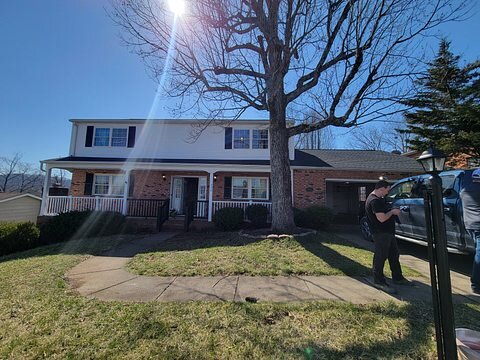
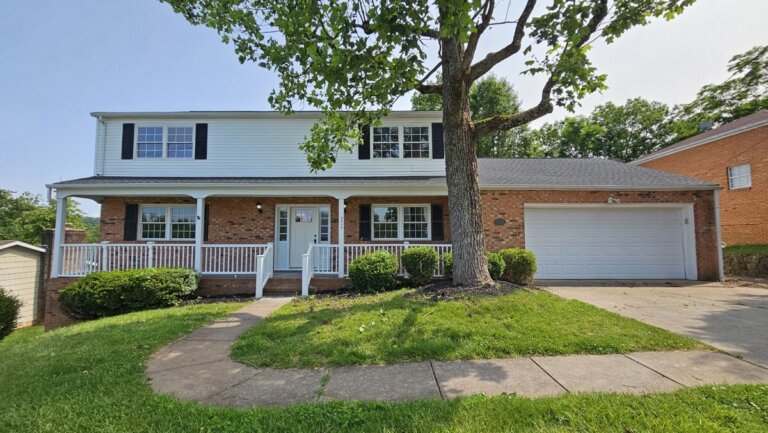
6. Use local evidence for the right purpose
AM Investments’ Cross Lanes example of buying a property with cash documents an original as-is purchase separately from a later renovation and resale. That makes the stages visible without turning the project into a promised return for another buyer. The example does not establish current inventory, a financing service or a valuation for the property you are considering.
Steve Coyne and Andrew McDavid own AM Investments. Our company page explains who is behind the business. This article is a preparation guide and does not promise that we act as your agent, lender, investment adviser or property manager. Ask about the role of each person involved in your specific transaction.
What should be ready before a decision?
Have a condition summary, a dated budget, the relevant occupancy information, professional review questions and a list of unresolved conditions. Record who will obtain each missing item and when you will review the answers. A clearly documented decision is more useful than treating cash as a substitute for diligence. If the plan depends on an assumption that cannot be supported, pause and resolve it before committing.
Keep the decision record clear
Known today: Verified documents and inspection findings
Still open: Assumptions, estimates and next questions
Keep a decision log for buying a property with cash
A useful decision log has a question, a source, a responsible person and a next action. For condition, identify the report or inspection needed. For title, identify the professional reviewing the records. For the budget, distinguish a written quote from a temporary allowance. That organization helps you see which assumptions support the plan and which remain unverified.
Consider a hypothetical purchase where the roof can be inspected but a locked room is unavailable. The decision log should show that limitation rather than assume the room matches the rest of the building. The buyer can then ask what access is possible, what the agreement permits, and whether enough information is available to proceed. This is a planning example, not a description of an AM Investments property.
Before buying a property with cash, record any dependency on a later loan, future rent or planned resale. Ask the relevant adviser to review that dependency and test the plan if it does not occur on schedule. A cash purchase at the start does not eliminate uncertainty in the next stage.
Also document which tasks belong to you. If you need to arrange an inspection, review documents or approve a revised scope, do not assume another participant has done it. Confirm completion with the relevant person. Clear responsibilities reduce the chance that several people each believe someone else answered an important question.
Use the log again before signing final documents. Compare the current proposal with the version you reviewed and ask about unexplained changes. Keep copies of completed records and unresolved questions. The goal is a purchase decision you can explain from evidence, rather than confidence based solely on a funding label.
Bring the current agreement, condition reports, budget and question log to the final review. Mark every figure that depends on future financing, occupancy or repairs. Ask who will verify each dependency and when. Keep a copy of the dated decision record with the completed transaction documents so the basis for your plan remains clear.
Explore AM Investments properties
Looking at an AM Investments property? Browse our available homes and contact us about the specific address and your questions. Call 304-250-9336. Availability and terms depend on the property. Arrange your own inspections and professional advice before deciding whether a purchase fits your plans.
Steve Coyne and Andrew McDavid own AM Investments. An inquiry does not commit you to a sale or purchase. Our own purchase offer is not an independent appraisal or legal advice.
Meet the owners · Privacy policy